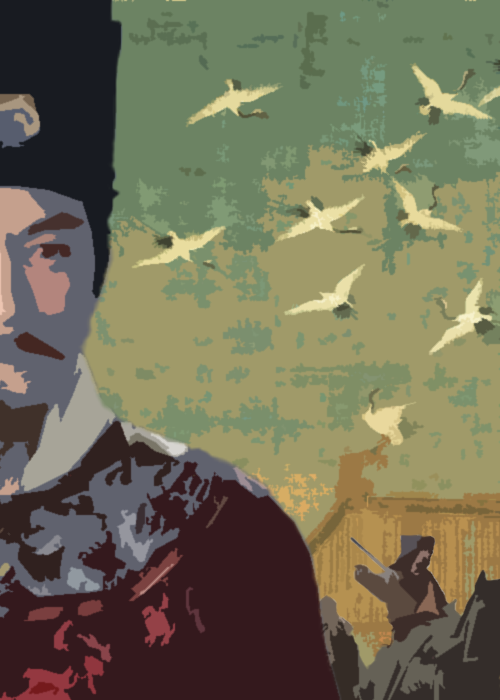
Song huizong
On the morning of March 20, 1127, the iron hooves of the Jurchen Jin army broke through the gates of Bianjing. By late March, the Northern Song dynasty had fallen, in what history remembers as the Jingkang Incident...
View Details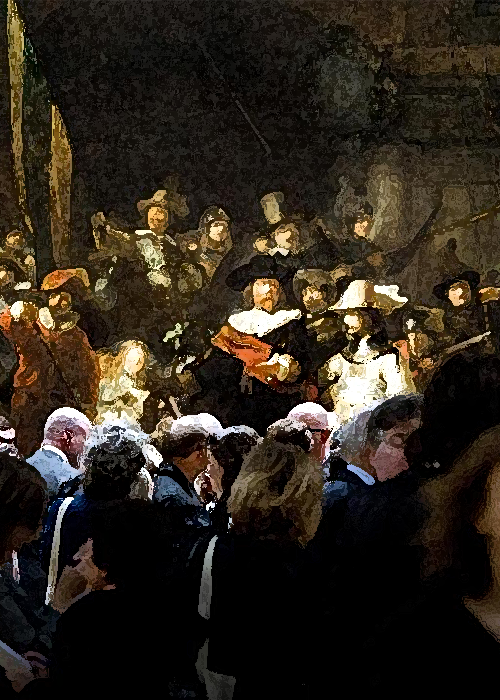
Rembrandt
As Vincent van Gogh once expressed, he would willingly trade years of his life for the chance to sit quietly before Rembrandt's paintings...
View Details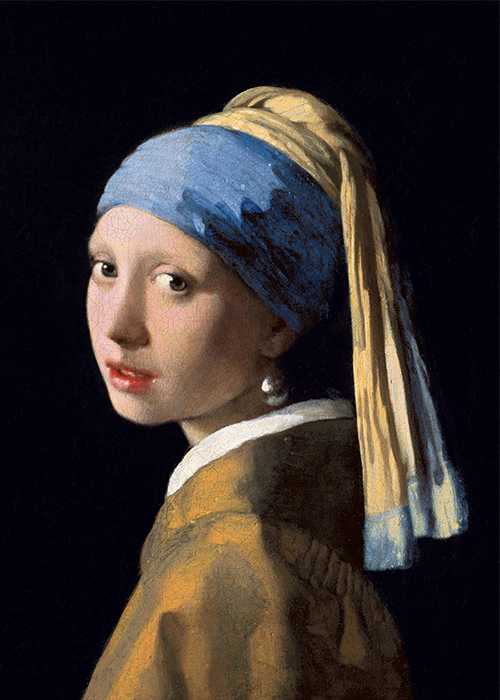
Johannes Vermeer
But who exactly was Vermeer? That is an extremely difficult question to answer. Most great artists leave behind not only a large body of work, but also traces of their lives. Vermeer, however, seems to have left behind only his paintings...
View Details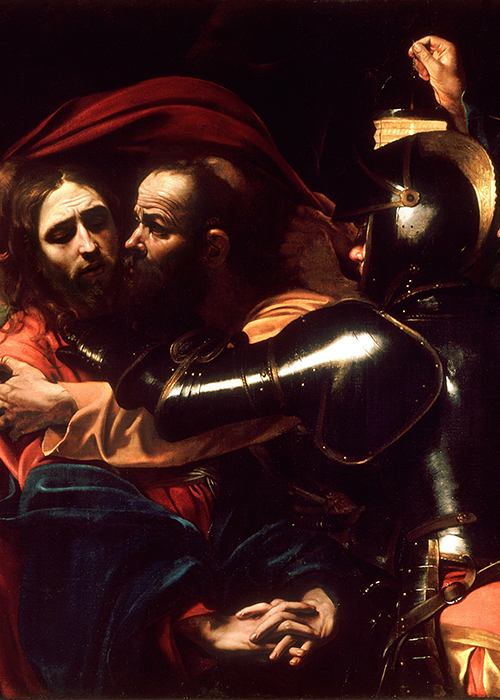
Caravaggio
Generally speaking, a painting can only capture a single moment in time. What makes Caravaggio extraordinary is his ability to seize the most critical instant—the precise moment when a narrative reaches its peak—and suspend it there...
View Details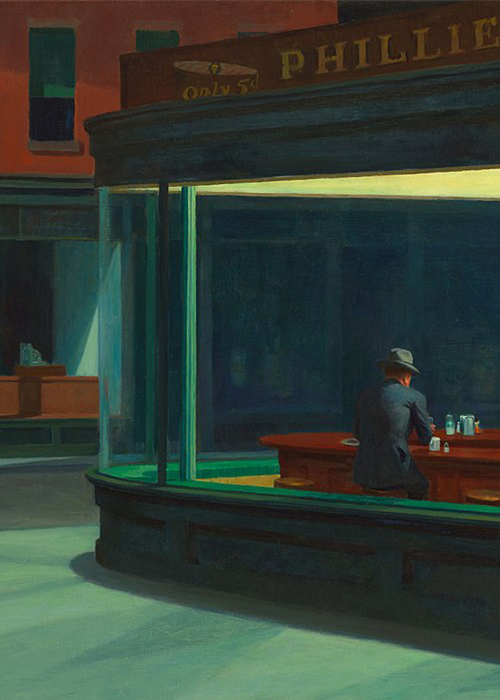
Edward Hopper
If Caravaggio used light to create conflict, and Johannes Vermeer used light to suspend time, then Edward Hopper did something entirely different: he used light to make loneliness visible.
View Details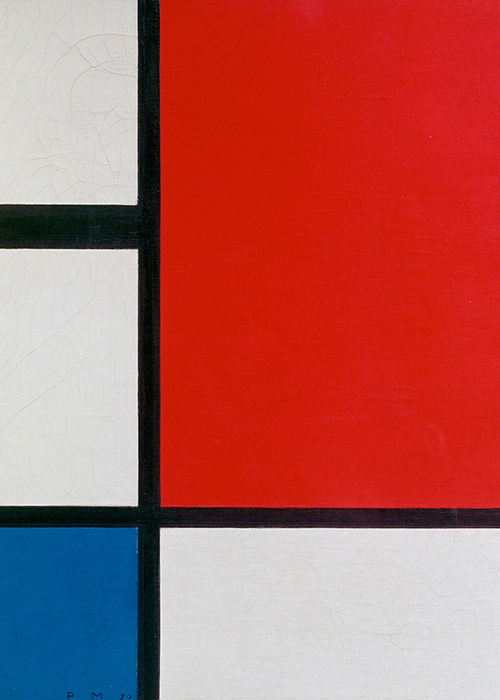
Piet Mondrian
At first glance, the paintings of Piet Mondrian may appear almost too simple to be taken seriously. A grid of black lines. Blocks of red, blue, and yellow. No figures, no landscapes, no visible subject...
View Details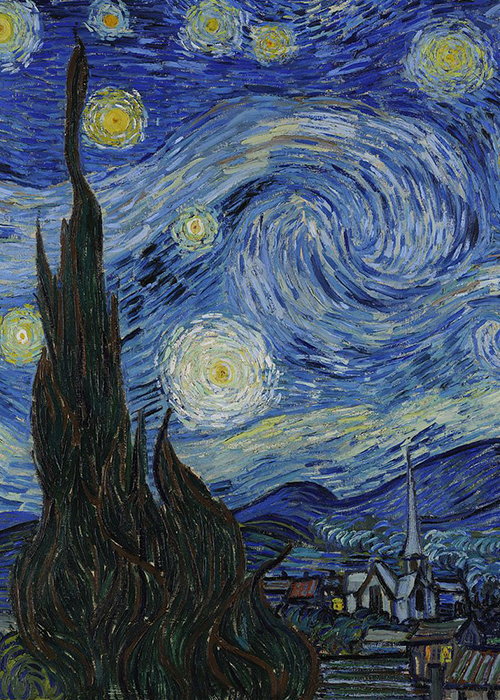
Vincent Van Gogh
In 1886, a young man arrived in Paris, the center of the art world, determined to become a painter. Rather than follow in the footsteps of others, he chose to carve out a path of his own—one that no one had walked before. At that moment, he did not yet know that he had only four years left to live. That young man was Vincent van Gogh...
View Details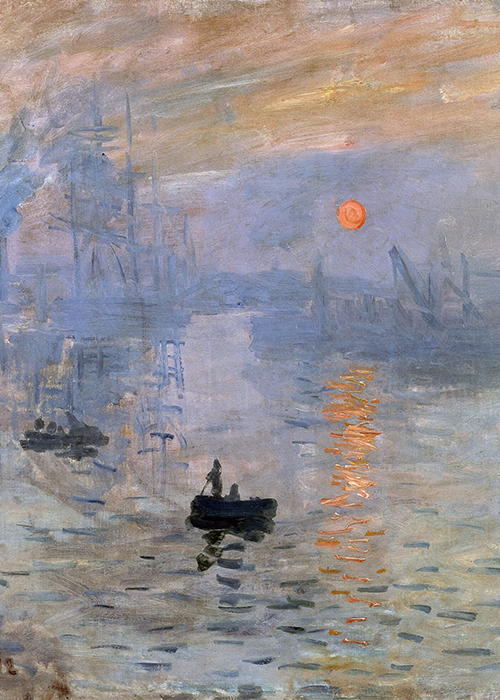
Claude Monet
Others mocked not only the painting itself, but also its title. In a tone of sarcasm, they referred to Monet and his fellow artists as “Impressionists.” What began as ridicule soon became a name—and with it, a movement. From that moment on, Impressionism was born...
View Details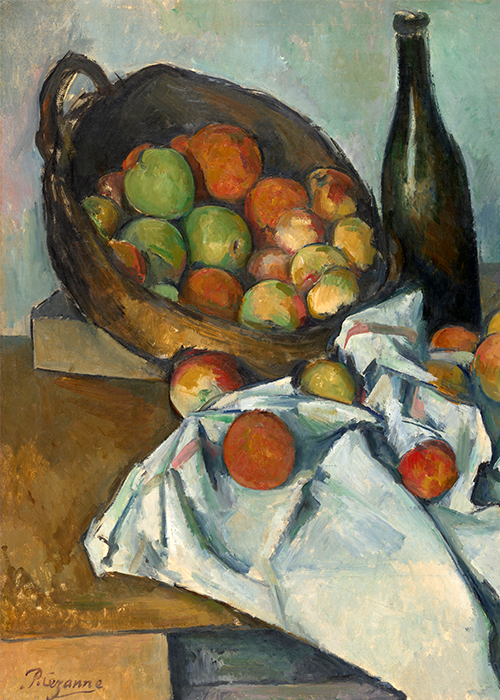
Paul Cézanne
The house is not crooked in the world—but within Cézanne’s vision, it becomes so. This tension reveals something essential about his work: it is not a question to be solved, but an experience to be entered. To look at Cézanne, one must first let go of the need to ask “why.” One must abandon the desire to fully understand. Only then can one begin to see...
View Details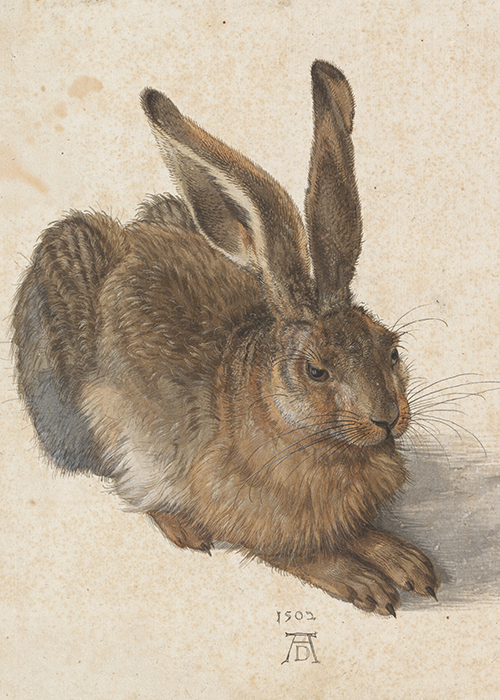
Albrecht Dürer
One might even say, half playfully yet not inaccurately, that Dürer functioned like a “high-definition camera” of the sixteenth century—capturing reality with an intensity that borders on the mechanical...
View Details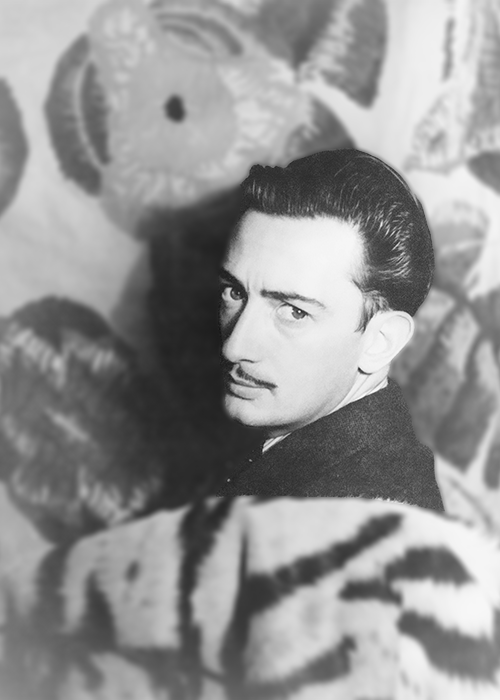
Salvador Dalí
Dalí later claimed that he always felt like a copy, a repetition—someone who had to construct his own identity from within that shadow. This may explain why, throughout his life, he did not simply become an artist, but actively invented himself...
View Details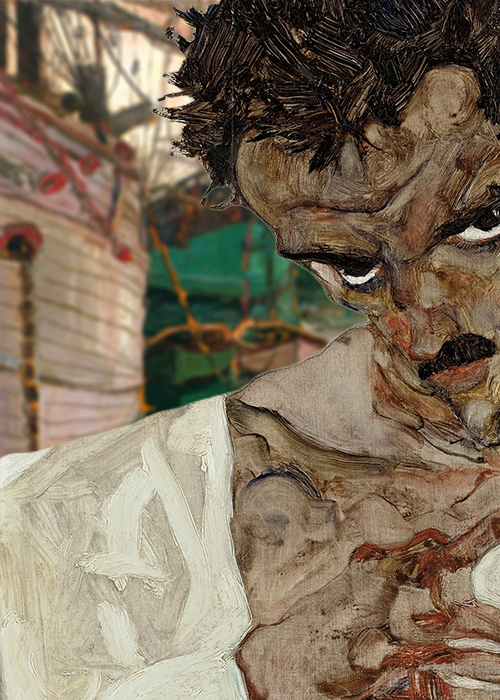
Egon Schiele
t the time, no one could have predicted that within the next two decades, he would rise to prominence—eventually surpassing Klimt and becoming one of the most defining figures of Viennese modernism. His name was Egon Schiele...
View Details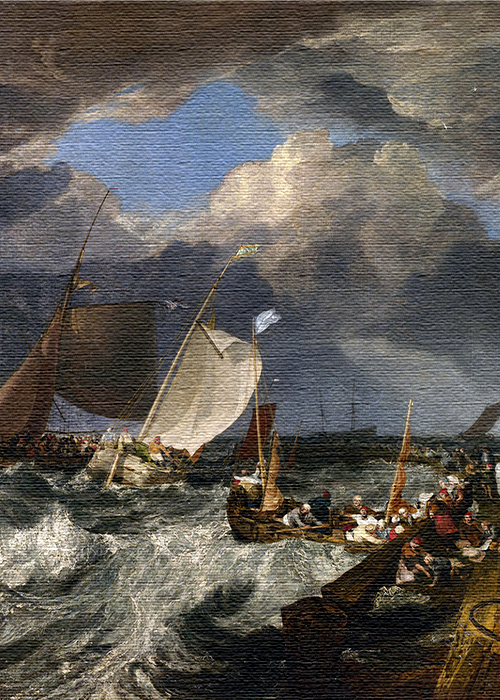
J. M. W. Turner
In 1870, during the Franco-Prussian War, a thirty-year-old Claude Monet fled to London to escape the conflict. There, he encountered the works of two British painters who would profoundly shape his artistic development. One of them was J. M. W. Turner...
View Details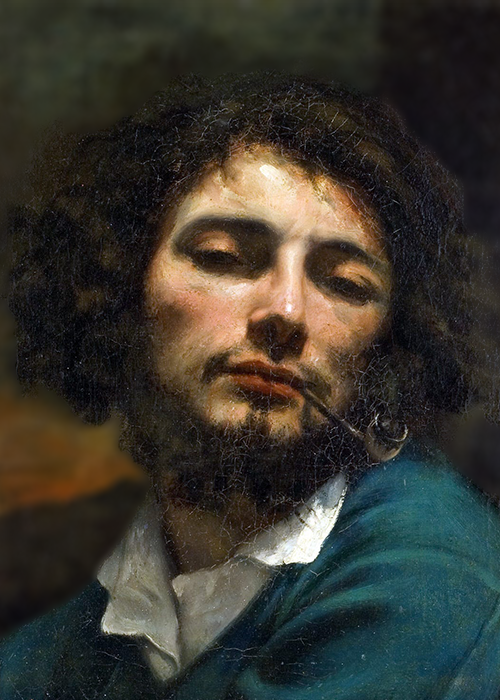
Gustave Courbet
He declared, simply and provocatively: “I cannot paint an angel because I have never seen one.”
View Details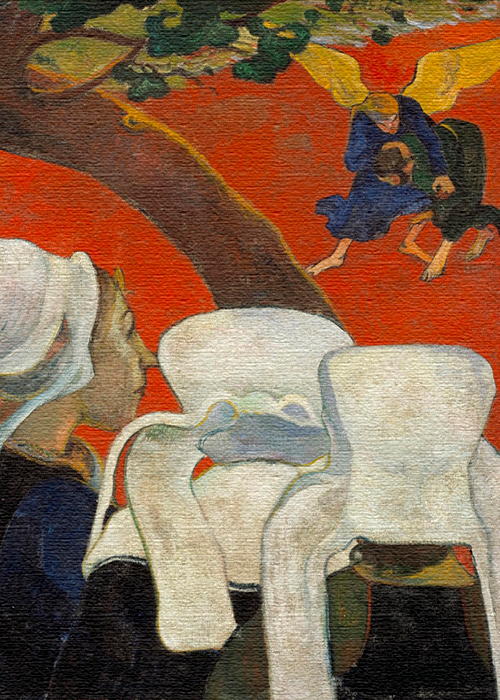
Paul Gauguin
His journey ultimately leads him to Tahiti, where he lives in poverty and isolation until his death. This fictional version exaggerates the drama. The real life of Gauguin is, in some ways, less theatrical—yet more revealing...
View Details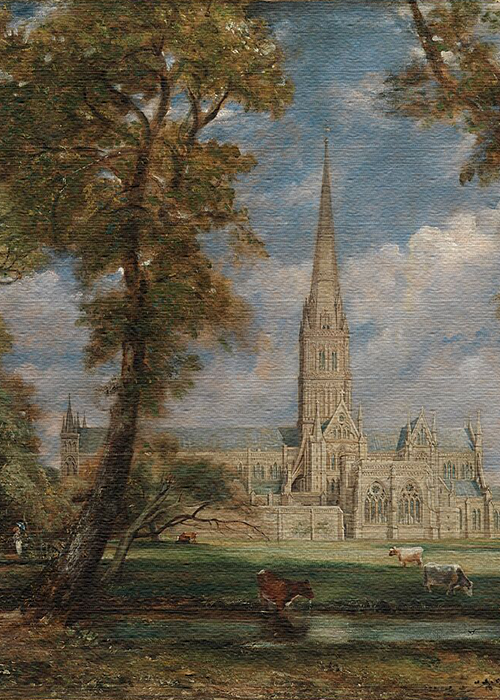
John Constable
f J. M. W. Turner's landscapes are like a glass of strong liquor—intense, overwhelming, and filled with force—then John Constable's paintings are more like a cup of English tea, best appreciated slowly in the quiet warmth of an afternoon...
View Details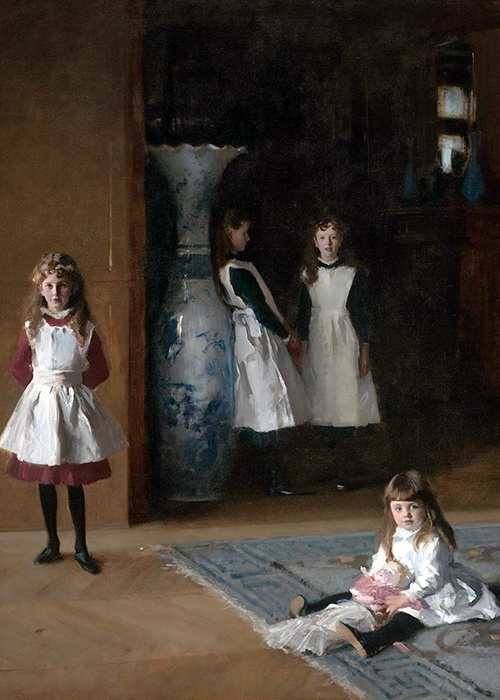
John Singer Sargent
Sargent once remarked that a portrait is “a painting in which something is slightly wrong with the mouth.” This subtle imperfection is key.
View Details