Paul Cézanne
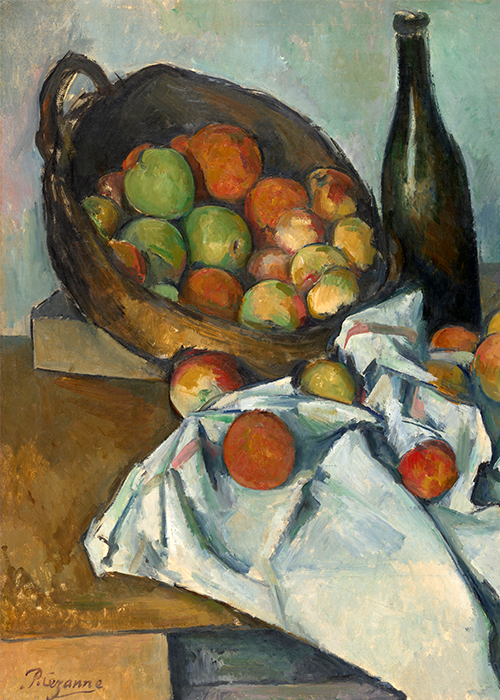
Cézanne's work stands at a crucial turning point in the history of art. If Monet showed that reality is unstable, Cézanne asked how it might be rebuilt. His influence on later movements, particularly Cubism, is profound. Artists such as Pablo Picasso and Georges Braque took his ideas further, breaking objects into multiple viewpoints and reassembling them into new forms. Yet Cézanne himself remained focused on a single question: How can painting represent not just how things appear, but how they exist? In pursuing this question, he transformed painting into a process of construction rather than imitation. He did not capture the world as it was seen in a single glance. Instead, he rebuilt it—slowly, deliberately, and from within. If earlier painters sought to observe the world, and others sought to feel or dissolve it, Cézanne sought to understand it. He did not paint what the world looked like.